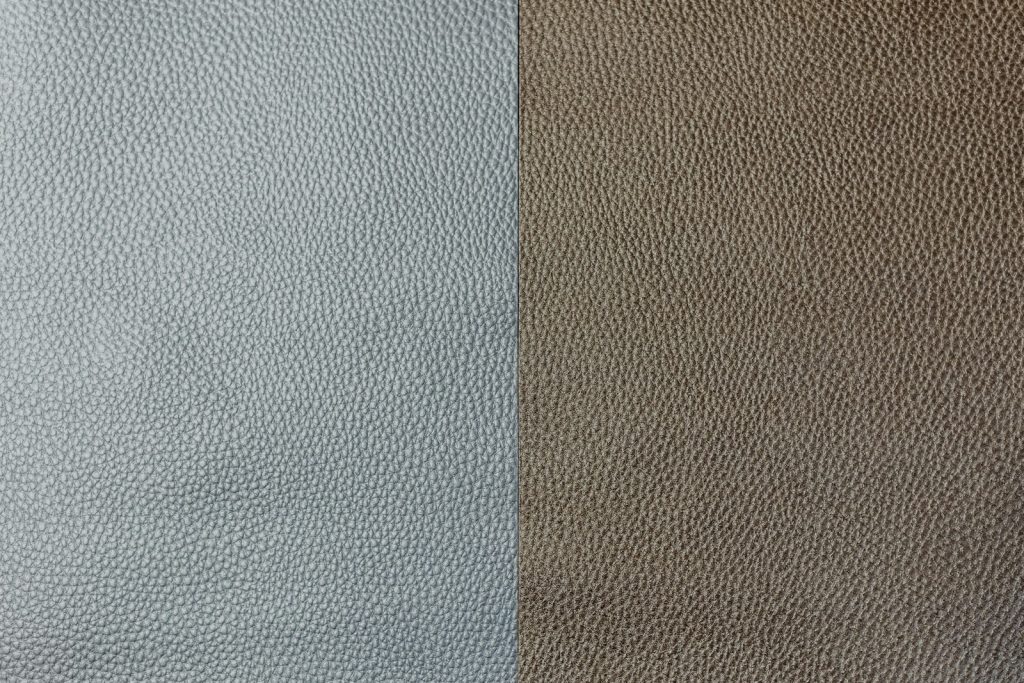
Honest sourcing note: We name every species accurately — saltwater crocodile (Crocodylus porosus), Nile crocodile (C. niloticus), American alligator (Alligator mississippiensis), caiman, reticulated python, monitor/ring lizard, ostrich and stingray — and never sell embossed calf as “exotic”. Most exotic leather is CITES-regulated (commonly Appendix II); legal cross-border trade needs export/import permits and source codes, and buyers are responsible for their country’s rules — this is general information, not legal advice; verify with your CITES Management Authority and customs broker. Prices, MOQ and lead times are indicative ranges (2025–2026), by quote. Luxury houses are referenced only as neutral examples — no affiliation. We are a B2B sourcing desk, not a tannery: we coordinate vetted, CITES-compliant suppliers.
Wet blue vs crust vs finished leather describes the main processing stages between raw exotic skins and ready-to-cut hides. In exotic species, those stages—raw/salted, wet-blue, crust and finished—carry very different cost, risk, and flexibility profiles for your business.
Raw, Wet-Blue, Crust and Finished: The Four Forms of Exotic Leather
Every crocodile, alligator, python, lizard, ostrich or stingray skin moves through a similar process chain:
- Raw / Salted skins
- Fresh flayed hide or skin, then chilled or salted. No tanning yet. Highest biological risk, lowest cost per cm/ft.
- Wet-blue
- Chrome-tanned skin in its “wet” state, typically bluish-grey. Stabilised against putrefaction but not dried/finished.
- Crust leather
- Fully tanned and dried but not final finished. Can still be re-dyed, re-finished, corrected and upgraded. Often called “crust leather exotic” in trade offers.
- Finished leather
- Fully processed, dyed, finished, and measured; ready to cut for watch straps, bags, footwear, small leather goods or upholstery.
Exotic Leather Wholesale works across all four forms as a B2B sourcing desk. We do not operate our own tannery; we coordinate production through vetted, CITES-compliant partner tanneries in Indonesia and abroad, then match that supply to your specification and production calendar.
Species We Handle — Always Honestly Labeled
In exotic leather, honest species naming is not a detail; it is the trade. We never mislabel, never call embossed calf “exotic”, and never blur species lines for marketing.
- Saltwater crocodile — Crocodylus porosus
- Nile crocodile — Crocodylus niloticus
- American alligator — Alligator mississippiensis
- Caiman — e.g. Caiman crocodilus, Caiman yacare, Caiman latirostris
- Reticulated python — Python reticulatus
- Monitor lizard — e.g. Varanus salvator
- Ring lizard — typically Varanus salvator with characteristic ring markings
- Ostrich — Struthio camelus
- Stingray — various Dasyatidae species, sold as “stingray” with correct trade references
Each species behaves differently through raw, wet-blue, crust and finished stages. A saltwater crocodile belly in Grade I behaves very differently in shrinkage and cutting value from a caiman flank or a reticulated python back-cut.
How Form Affects Value: Raw ≈ 25–40%, Crust ≈ 40–70% of Finished
As a directional rule in the crocodile trade (especially Crocodylus porosus and Crocodylus niloticus):
- Raw / salted skins: typically priced around 25–40% of equivalent finished value for comparable size and grade.
- Crust leather exotic: typically around 40–70% of equivalent finished value for the same skin, size and grade.
Those ratios are indicative, last verified June 2026, and will move by grade, fashion cycle, finishing complexity, tannery, and FX. A heavily corrected fashion finish that rescues borderline crust may narrow the gap; a strict luxury-standard classic belly may widen it.
Raw / Salted Exotic Skins
What Counts as Raw Exotic Skins?
In trade, “raw exotic skins” usually means fresh, salted, or sometimes chilled/frozen hides and skins with no tanning initiated. Common examples in our sourcing desk work include:
- Crocodylus porosus belly skins, farmed, Grade I–III, salted
- Crocodylus niloticus belly and hornback skins, salted
- Reticulated python (Python reticulatus) back-cut skins, salted and rolled
- Monitor and ring lizard (Varanus salvator) salted flats
- Ostrich (Struthio camelus) raw or salted crowns and full skins
At this stage, you are as close as possible to the farm or the wild harvest (subject to CITES status and management). Each hide’s future value depends on flaying quality, belly width or body length, bite/mark density, and storage/transport.
Pros of Buying Raw
- Lowest entry price per skin: Often 25–40% of finished value for comparable crocodile skins.
- Maximum control over tanning recipe: Your nominated tannery can build your exact handle, fullness and shrinkage temperature from the ground up.
- Speculative inventory: Some buyers build inventory in raw form, then tan to color/trend closer to their selling season.
Risks and Challenges of Raw
- Shrinkage and yield uncertainty: You do not know the real cutting area or stretch until tanning. Poorly tanned raw can lose several centimetres in critical belly width on crocodile or alligator.
- Grade risk: Minor flaying or storage defects may only show fully after tanning, potentially downgrading expected Grade I/II to III+.
- Biological risk: Slippage, bacterial damage and rot are real if the cold chain and salting are not maintained.
- Cashflow lag: You pay for raw, then again for tanning and finishing, over longer cycles.
Who Should Buy Raw?
Buying raw generally suits:
- Tanneries and experienced brands with tight control over their tan-yard partners.
- Manufacturers with long planning horizons (12–24 months) and stable product lines.
- Groups looking to secure upstream supply of Crocodylus porosus or Alligator mississippiensis for high-volume use.
If you are a smaller atelier or new to exotic leather, raw is rarely the right starting point. The discount can be eroded quickly by grade loss or mis-tanning.
Wet-Blue Exotic Leather
What Is Wet-Blue?
Wet-blue is the first stable tannage form, produced by chrome tanning raw hides/skins in aqueous solution. The collagen is tanned, the skin is wet and often bluish-grey, and the material is stable enough to ship and store under normal industry conditions.
In exotics, “wet-blue vs crust vs finished leather” is a core decision for manufacturers who want some control over finishing without the early-stage biological risk of raw.
Common Species in Wet-Blue
- Crocodylus niloticus bellies and hornbacks
- Caiman (Caiman yacare, Caiman crocodilus) bellies, for more price-sensitive products
- Reticulated python (Python reticulatus) sides and panels
- Ostrich (Struthio camelus) wet-blue crust (before re-tan/dye)
Pros of Wet-Blue
- Biologically stable: Dramatically lower risk of rot/slippage compared to raw.
- Transportable: Easier international shipping and storage.
- Process flexibility: Your selected tannery can conduct re-tan, dye and finishing with some control over final handle and performance.
Limitations of Wet-Blue
- Less upgrade potential than crust: Some finishing corrections are still possible, but you are earlier in the process and commit to another tannery step.
- Additional lead time: You still have to allow for drying to crust, then finishing.
- FX and chemical risk: Chrome-based processing ties your material to one tanning chemistry; switching to metal-free later is complex.
Who Should Buy Wet-Blue?
Wet-blue suits brands and tanneries that:
- Have finishing capability but prefer not to deal with raw biological risk.
- Want to standardise tanning chemistry across multiple regions while finishing closer to their production sites.
- Work with caiman or python at volumes where incremental control over finish offsets extra process stages.
Crust Leather Exotic
What Is Crust?
Crust is fully tanned and dried leather before final finishing. For exotics, crust is usually:
- Re-tanned and neutralised.
- Dried (toggle-dried, vacuum-dried, or hang-dried depending on species).
- Mechanically softened or lightly staked in some cases.
- Not yet fully dyed through or surface-finished to final spec.
Crust is where “crust vs finished” really becomes a price and flexibility decision for a buyer of crocodile or python.
Pros of Crust
- Significant discount to finished: Commonly in the range of 40–70% of finished value for crocodile as a directional guide (last verified June 2026).
- Upgrade potential: Expert finishing can push borderline Grade II/III crust into acceptable visible quality for mid-tier applications.
- Color and fashion responsiveness: You can tan to neutral crust now, then finish to seasonal colors closer to launch.
Risks and Constraints of Crust
- No full visibility on final behavior: Handle, cut yield and defect emphasis can change under finishing operations.
- Need for skilled finishing partners: Exotic crust is not like crust cowhide; the margin for error on Crocodylus porosus bellies or Python reticulatus panels is small.
- More complex logistics: You may need one supply chain for crust, another for finishing, and then on to your factories.
Who Should Buy Crust?
Crust tends to work well for:
- Brands with in-house exotic finishing labs.
- Specialised finishing tanneries servicing multiple brands.
- Buyers wanting earlier lock-in on size/grade but later decisions on color/finish.
Finished Exotic Leather
What Is Finished Exotic Leather?
Finished exotic leather is your ready-to-cut, fully processed material. Dyes, pigments, topcoats, emboss (for texture, not for species substitution), glazing and mechanical processing are complete.
For example:
- Crocodylus porosus belly skins, Grade I, 35–39 cm, classic glazed finish in dark navy.
- Alligator mississippiensis bellies, matte finish, 30–34 cm, for watch straps.
- Python reticulatus back-cut, aniline finish, 3–4 m, for bags and shoes.
- Varanus salvator “ring lizard”, semi-matte, small panel sizes for small leather goods.
- Ostrich (Struthio camelus) full skins, drum-dyed, soft hand for bags and footwear.
- Stingray, polished “pearl” center or fully shaved, for belts and wallets.
Pros of Finished
- Known cutting value: Measured in cm width (crocodile/alligator), cm length (python), or decimetre/ft² equivalents, so you buy against your pattern yields.
- Predictable QC: Defects, grades and color uniformity are visible at inspection.
- Shortest path to product: Skips tanning and finishing lead times; especially important for seasonal launches.
Costs of Finished vs Raw/Crust
Finished includes all upstream value: farm, flaying, tanning, finishing, wastage, labor, compliance, traceability, FX and margin. That is why raw might be 25–40% and crust 40–70% of finished values for crocodile. For smaller ateliers, paying for finished can be cheaper overall than trying to rescue poor crust or raw across multiple suppliers.
Side-by-Side: Raw vs Wet-Blue vs Crust vs Finished Exotic Leather
| Form | Stage | Main Buyers | Risk Profile | Indicative Value vs Finished (crocodile) | Control Over Final Look |
|---|---|---|---|---|---|
| Raw / Salted | Pre-tan | Farms, tanneries, large groups | High biological & grade risk | ~25–40% | Maximum (via full-chain control) |
| Wet-blue | Chrome tanned, wet | Tanneries, finishing houses | Medium biological, medium grade | ~30–50% (directional) | High, but chemistry partly fixed |
| Crust | Tanned & dried | Finishers, specialist brands | Medium finish/grade risk | ~40–70% | High (color/finish still open) |
| Finished | Ready to cut | Brands, ateliers, factories | Lowest technical risk | 100% | Fixed; minor post-processing only |
How Java Tannery Capability Compares to France, Italy, Singapore
Indonesia, especially Java, is a serious production base for certain species and forms, particularly:
- Reticulated python (Python reticulatus) in raw, crust and finished.
- Monitor and ring lizard (Varanus salvator) in crust and finished.
- Some crocodile (Crocodylus porosus, Crocodylus siamensis hybrids) and caiman in crust and finished.
European hubs like France and Italy, along with Singapore, are widely recognised for high-end finishing, exacting color matching, and technical support required by top-tier luxury houses (named here strictly as neutral examples, not as partners or endorsements). Many Indonesian crust exports are re-finished in those markets to final specifications, then re-exported into global manufacturing networks.
Our position as a sourcing desk is neutral and practical: some projects are best served by finishing in Java, close to raw supply; others by tanning or re-finishing in Europe or Singapore to meet specific luxury standards or logistics needs.
If you need help balancing cost, lead time and finishing capability across Indonesia vs France/Italy/Singapore, you can plan your trip through the sourcing process with us. We are available also on WhatsApp to walk through RFQs, lab dips and trial lots.
How We Measure Exotic Leather: cm, dm² and Yield
Crocodile and Alligator
- Measurement: Belly width across the widest usable section, in centimetres.
- Typical bands: 25–29 cm (small), 30–34 cm (medium), 35–39 cm (large), 40+ cm (XL), with specific ranges by farm and species.
- Use cases: 28–32 cm for watch straps and small leather goods; 35+ cm for handbags and larger pieces.
Python
- Measurement: Length in centimetres or metres; width (at mid-body) occasionally referenced.
- Cuts: Back-cut (belly pattern visible) vs belly-cut (back pattern visible).
Monitor, Ring Lizard and Stingray
- Measurement: Often in decimetre (dm²) or approximate panel sizes; for stingray, full skin dimensions and usable central area.
Ostrich
- Measurement: Full skin decimetres or ft², plus crown (quill) density and distribution.
Finished pricing is normally quoted per skin (crocodile/alligator/python), per dm² or per ft² depending on species and tannery practice. Raw / wet-blue / crust are quoted per piece, per kg, or per cm band, again depending on market norms.
CITES Context: Raw to Finished (General Information Only)
Most of the species above are regulated under CITES (the Convention on International Trade in Endangered Species of Wild Fauna and Flora). This section is general information, not legal advice. You must verify specifics with your CITES Management Authority, customs broker, and legal counsel.
Typical CITES Listings in Exotic Leather Trade
- Crocodylus porosus: Generally Appendix II for commercial trade, with some populations under different annotations.
- Crocodylus niloticus: Appendix I or II depending on the population; exports from approved ranching programs are normally under Appendix II provisions.
- Alligator mississippiensis: Listed in CITES (often Appendix II with special annotation) though it is relatively well-managed in the US.
- Python reticulatus, Varanus salvator: Typically Appendix II.
- Ostrich (Struthio camelus): Not CITES-listed at present; still subject to veterinary and customs regulations.
- Stingray species used for leather: typically Appendix II where listed.
Forms, Source Codes, Permits
From raw to finished, CITES cares about species, origin and source code more than tanning stage, but the paperwork can differ:
- Source codes commonly seen:
- W – wild
- R – ranched
- C – bred in captivity
- F – born in captivity
- D – Appendix I species bred in captivity for commercial purposes
- Forms covered: Raw/salted, wet-blue, crust and finished skins and leather are all “specimens” under CITES.
- Permits: Export permits, import permits (for some Appendix I or certain jurisdictions), and re-export permits for goods leaving a country different from original export.
Regimes differ: an Appendix II ranched Crocodylus porosus raw skin leaving Indonesia will have one set of requirements; finished watch straps re-exported from Europe under Appendix II may need another. Always confirm with your authorities; CITES implementation is jurisdiction-specific and time-sensitive.
Exotic Leather Wholesale works only with tanneries and exporters able to supply valid CITES documentation and health/customs papers for their shipments. We coordinate documentation flows but we do not provide legal advice; your compliance responsibility remains with you.
Indicative Pricing, MOQs and Lead Times (2025–2026, By Quote)
There is no public price database for exotic leather. Values move with species, grade, size, finish complexity, order volume, and FX (particularly USD, EUR vs IDR). Figures below are indicative ranges only, last verified June 2026, to frame your planning; every order is by quote.
Price Position by Form (Crocodile Example)
- Raw / salted crocodile skins: roughly 25–40% of equivalent finished value for same species, belly width and grade.
- Wet-blue crocodile: often 30–50% of equivalent finished value, depending on tannery and chemistry.
- Crust crocodile: 40–70% of finished value.
- Finished crocodile: 100% reference point.
American alligator, caiman, python, lizard, ostrich and stingray follow similar patterns but with different absolute numbers and discount curves between grades.
Typical MOQs by Form
- Raw / wet-blue lots: Often several hundred to thousands of skins to make sense on tanning economics, especially for crocodile/alligator.
- Crust: Smaller than raw but still usually in batch sizes sufficient for drum processing (e.g. 50–200+ skins per spec for crocodile or alligator).
- Finished exotic leather: More flexible; 5–20 skins per color/grade is sometimes workable for smaller species or strap-grade, while high-volume brands may buy in hundreds.
Lead Times
- Raw to finished (full chain): For crocodile/alligator, 6–12 months from raw purchase to finished delivery is a realistic planning window for consistent, repeatable product.
- Crust to finished: 6–12 weeks depending on color approvals, finishing complexity and tannery capacity.
- Finished from existing stock: 2–6 weeks including documentation and international freight if sizes/grades/colors are in stock.
All of this is contingent on CITES permit timing, transport bottlenecks, and your own sampling and QC process. Confirm specifics in your RFQ.
Who Buys Exotic Leather, and Why Form Choice Matters
Buyers of exotic leather operate across a spectrum:
- Luxury houses (named here only as neutral, generic examples) often purchase finished or high-grade crust for consistent handbags, watch straps and small leather goods.
- Mid-tier brands and OEM factories might buy a mix of finished (for core SKUs) and crust/wet-blue (for price-sensitive lines or private-label work).
- Specialist artisans and independent ateliers usually buy finished skins in small quantities — particularly in Crocodylus porosus, Alligator mississippiensis, python, ring lizard, ostrich and stingray.
- Tanneries and consolidators buy raw and wet-blue to feed their drums and finishing lines.
Your spot on that spectrum should dictate your choice among raw vs wet-blue vs crust vs finished leather. Form is a risk allocation question as much as a price question.
How Exotic Leather Wholesale Works With You
We Are a B2B Sourcing Desk, Not a Tannery
Exotic Leather Wholesale operates as an honest intermediary between your design and production needs and Indonesia’s (and selected foreign) tannery capabilities. We coordinate, we do not tan. Our vetted partners handle tanning and finishing, with full CITES-compliant documentation.
End-to-End Sourcing
- Briefing: Species, form (raw / wet-blue / crust / finished), grade, size bands, color/finish, target applications (straps, bags, shoes, SLG, upholstery).
- Feasibility & indicative ranges: Based on current farm supply, tannery capacity and international demand.
- Sampling and lab dips: Especially important for crust vs finished decisions and for matching existing collections.
- Order and production coordination: Batch planning, QC check-points, defect and grade resolution.
- Export coordination: Work with tanneries, exporters and your brokers on CITES permits, health certificates and logistics.
For brands also looking for finished product manufacturing, we maintain separate, dedicated finished-goods channels at alligatorwatchstrap.com (watch straps) and crocodileleatherbags.com (bags). Those are distinct services, but we can align material specs across them.
If you are ready to scope a project, you can plan your trip from idea to PO with us. Share your sketches, target prices and timeline; we are available via WhatsApp for efficient back-and-forth on technical and commercial details.
FAQs on Forms: Raw, Wet-Blue, Crust and Finished
What is wet-blue leather in exotic species?
Wet-blue leather is hide or skin that has been chrome-tanned but not yet dried or finished. In exotics such as crocodile, alligator, python or ostrich, wet-blue offers biological stability and some process flexibility, allowing later re-tanning and finishing at a different facility. It typically prices higher than raw/salted but below crust and finished.
Crust vs finished leather — which should I order?
If you have access to skilled exotic finishing and want control over final color and surface, crust can be attractive, especially for larger, repeat programs. If you are a smaller atelier, new to exotics, or under tight timelines, finished exotic leather is usually safer: you see the actual grade, color and yield before you buy, and you avoid additional finishing risk.
How does raw vs finished cost compare for crocodile?
As a directional guide, raw/salted crocodile skins (for example Crocodylus porosus or Crocodylus niloticus) might trade at around 25–40% of the value of equivalent finished skins of the same size and grade. Crust often sits around 40–70% of finished. These ranges are indicative only, last verified June 2026, and specific quotes depend on size bands, grades, finishes, volumes and FX.
What is the minimum order quantity (MOQ) for exotic leather?
MOQs vary by form and species. Raw and wet-blue often require hundreds of skins per spec to run efficiently through tanning drums. Crust may work from dozens of skins per color/spec. Finished skins can sometimes be sourced in small lots (5–20 skins per color/grade) for crocodile, alligator, python, lizard, ostrich or stingray. We quote MOQs case-by-case based on current partner capacity.
How do I start an RFQ for exotic leather in different forms?
Outline your species (with form preference: raw, wet-blue, crust, finished), target applications, approximate annual volume, preferred grades and size bands, and any color/finish benchmarks. Then share that via our plan your trip page or WhatsApp. We will respond with clarifying questions, indicative ranges, and proposed sampling routes before any binding order.