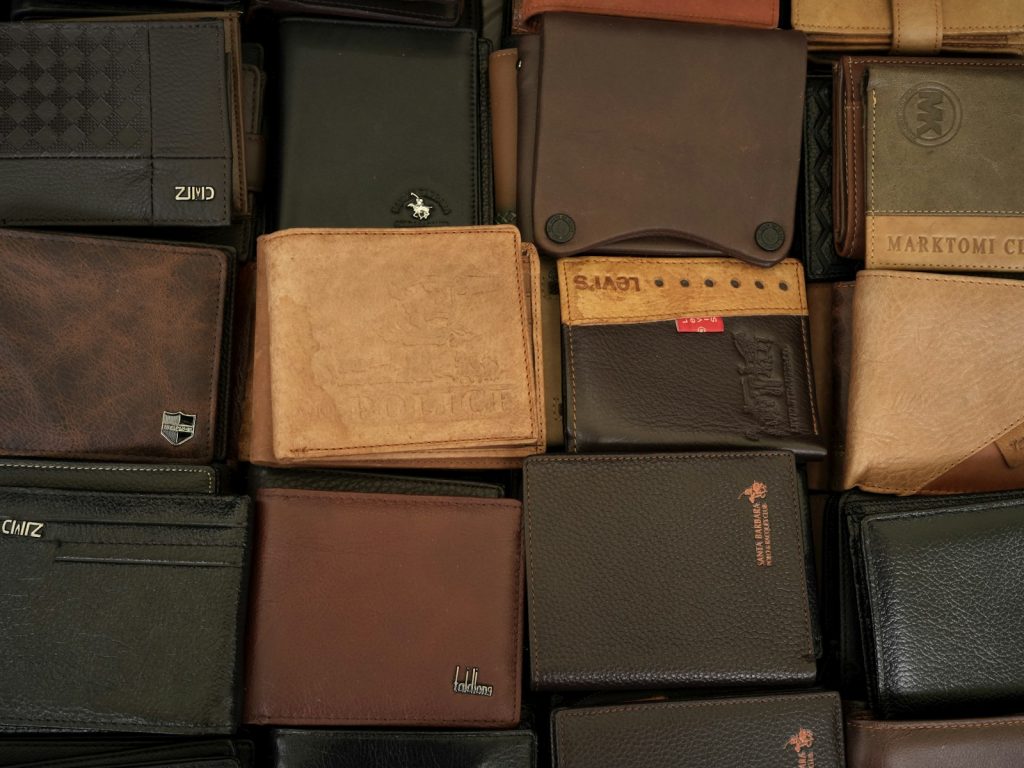
Honest sourcing note: We name every species accurately — saltwater crocodile (Crocodylus porosus), Nile crocodile (C. niloticus), American alligator (Alligator mississippiensis), caiman, reticulated python, monitor/ring lizard, ostrich and stingray — and never sell embossed calf as “exotic”. Most exotic leather is CITES-regulated (commonly Appendix II); legal cross-border trade needs export/import permits and source codes, and buyers are responsible for their country’s rules — this is general information, not legal advice; verify with your CITES Management Authority and customs broker. Prices, MOQ and lead times are indicative ranges (2025–2026), by quote. Luxury houses are referenced only as neutral examples — no affiliation. We are a B2B sourcing desk, not a tannery: we coordinate vetted, CITES-compliant suppliers.
Exotic leather CITES compliance is the intersection of wildlife law and commercial reality: which species are listed, which permits are needed, and how source codes affect legal trade. This page explains how CITES applies to exotic leather so wholesale buyers can structure fully documented, cross‑border sourcing.
Exotic Leather & CITES: What This Page Covers (and What It Doesn’t)
Exotic Leather Wholesale is a B2B sourcing desk. We coordinate CITES‑compliant production with vetted Indonesian partners; we are not a tannery ourselves. This page is:
– General CITES information for exotic leather buyers
– Written for brands, ateliers, and manufacturers (not tourists)
– Focused on practical, document‑level requirements
It is not legal advice. CITES is implemented differently country‑by‑country. Always confirm requirements with:
– Your CITES Management Authority (export and import country), and
– Your licensed customs broker / freight forwarder
Throughout, “you should” means “a commercially prudent buyer typically” rather than legal instruction.
Is Exotic Leather Legal?
The question “is exotic leather legal” has a factual answer: some exotic leather trade is legal, some is not. It depends on:
– Species (and exact scientific name)
– CITES Appendix status
– Source code (W/R/C/F/D)
– National laws in exporting and importing countries
– Documentation (permits, licenses, proof of origin)
Legally traded CITES‑listed leather sits at the intersection of:
– Sustainable or regulated harvesting
– Verified captive breeding or farming
– Verified tanning and finishing chains
– Correct CITES permits and customs declarations
Mislabeling (for example, calling *Caiman crocodilus* “alligator”) or moving skins without proper CITES permits can result in seizure and penalties. Our role as a sourcing desk is to refuse mislabeling and coordinate complete paperwork with our partners, then help buyers understand what to check with their own authorities.
CITES Basics for Exotic Leather Buyers
CITES (the Convention on International Trade in Endangered Species of Wild Fauna and Flora) regulates cross‑border trade in listed species and their parts, including tanned skins and finished goods such as bags and straps.
From a buyer’s point of view, CITES answers three core questions:
1. Is the species listed?
2. On which Appendix (I, II, III)?
3. What permits and source codes apply to this shipment?
CITES Appendices: I vs II vs III in Exotic Leather
Below is a simplified view for commonly traded exotic leathers. Always confirm current listings with the CITES species database and your Management Authority.
| Group / Example | Typical Scientific Name on Invoices | Common Trade Status (CITES) | Notes for Leather Buyers |
|---|---|---|---|
| Saltwater crocodile | Crocodylus porosus | Appendix II (most ranching countries) | Premium belly skins for watch straps, small leather goods, bags. |
| Nile crocodile | Crocodylus niloticus | Appendix II (with some national variations) | Used for bags, footwear; check country‑specific quotas. |
| American alligator | Alligator mississippiensis | Appendix II (with zero quotas in some contexts) | Managed under state programs in the US; very common in luxury. |
| Caiman | Caiman crocodilus, Caiman yacare | Appendix II | Generally lower price‑point; often used in entry‑level exotic goods. |
| Reticulated python | Malayopython reticulatus | Appendix II | Key handbag and footwear article; Indonesia is a major exporter. |
| Monitor lizard | Varanus salvator (water monitor) | Appendix II | Common for belts, wallets; comes from both wild and ranching systems. |
| “Ring” lizard | Varanus salvator (patterned sections) | Appendix II | Trade term for the small‑ring pattern section of the same species. |
| Ostrich | Struthio camelus | Not listed on CITES | Still subject to veterinary and customs rules, but not CITES. |
| Stingray | Commonly Dasyatis spp. | Most commercial species not CITES‑listed (check specific species) | Some rays/sharks are CITES‑listed; ask for exact scientific name. |
Some crocodilian populations are on Appendix I, but certain national populations are down‑listed to Appendix II with quotas and ranching programs. That nuance appears on permits as the country of origin and population codes. Your customs broker will look at this carefully.
Appendix I vs Appendix II: Practical Impact
– Appendix I (highest protection)
– Generally prohibits commercial trade in wild‑sourced specimens.
– Very strict conditions even for captive‑bred/farmed.
– Many brands avoid Appendix I entirely for simplicity and reputational reasons.
– Appendix II (regulated, but commercial trade allowed with permits)
– Most crocodilian and python skins in legal trade are Appendix II.
– Export permits are mandatory from the country of export.
– Import permits may or may not be required, depending on importing country law.
Most of the exotic leather chain in Indonesia and the wider region focuses on Appendix II species with established management programs.
Finished Goods Still Need CITES
A recurring misunderstanding: “Once the skins are tanned and made into bags or straps, CITES no longer applies.” That is incorrect.
For CITES‑listed species:
– Raw, crust, finished leathers all require CITES permits for international trade.
– Finished products (bags, wallets, shoes, watch straps, small leather goods) made from those leathers also require CITES permits when crossing borders, with very limited personal‑use exemptions that do not apply to commercial shipments.
Example:
– A watch strap in *Crocodylus porosus* exported from Indonesia to the EU still travels under a CITES export permit (and, for the EU, an import permit), even if the strap is labeled under a fashion brand rather than as a raw skin.
Exotic Leather Wholesale’s sister sites — alligatorwatchstrap.com (watch straps) and crocodileleatherbags.com (bags) — coordinate finished goods that are shipped under the same CITES framework as raw or semi‑finished skins.
Key CITES Permits for Exotic Leather
Different permits may be required at different stages of the supply chain.
1. CITES Export Permit (Primary)
Issued by the Management Authority in the exporting country (for example, Indonesia for many python and lizard exports).
You should expect:
– Exporter’s full legal name and address
– Importer’s name and address
– Exact scientific name of the species
– Number of skins or products
– Net mass or area where applicable
– Source code (W/R/C/F/D)
– Country of origin (and, if re‑export, original permit reference)
– Validity dates, stamps, and signatures
For most of our Indonesia‑origin shipments, the CITES export permit is the core wildlife document accompanying the goods.
2. CITES Re‑Export Certificate
Issued when already‑imported CITES goods are later exported from a second country.
Example chain:
– Indonesian tanner exports *Malayopython reticulatus* crust to a European finisher
– The European finisher makes bags
– A brand in another country buys those bags
When the European finisher ships to the brand, the shipment usually needs a CITES re‑export certificate from the European country, referencing the original Indonesian export permit.
3. CITES Import Permit
Not all countries require an import permit in addition to the export / re‑export permits.
Common patterns (subject to change; verify locally):
– European Union (EU): Typically requires CITES import permits for Appendix I and II species, obtained by the EU importer before shipment.
– United States: Generally requires the foreign export permit (and/or re‑export certificate) plus U.S. Fish & Wildlife Service clearance, but not always a separate CITES “import permit” for Appendix II. Other federal and state rules still apply.
– UK, Switzerland, other CITES Parties: Follow their own CITES implementation; many mirror or align with the EU’s cautious stance.
If you are unsure, the safer assumption is:
Plan as though both a valid export/re‑export permit and, if applicable, an import permit will be needed.
CITES Source Codes: W / R / C / F / D
Every CITES permit or certificate will show a source code indicating how the animals were obtained. For traders and brands, source codes influence:
– Legal eligibility for commercial trade
– Brand positioning (wild harvest vs ranching vs closed‑cycle farming)
– Market access (some countries or retailers restrict certain sources)
Below is a simplified description of the main codes exotic leather buyers see.
- W – Wild
- Specimens taken directly from the wild. For some species and countries, strictly controlled quotas and harvest systems exist. Some brands embrace well‑managed wild harvest; others avoid W entirely.
- R – Ranched
- Specimens reared in a controlled environment, taken from the wild as eggs or juveniles for rearing with a portion often returned to the wild. Common for some crocodilian programs. R is usually treated as compatible with commercial trade where quotas and management plans are approved.
- C – Bred in captivity (non‑Appendix I commercial)
- Animals bred in captivity in controlled facilities, meeting specified criteria. For many reptiles on Appendix II, C indicates an established captive‑breeding program. Always check how your target market perceives C vs F vs R vs W.
- F – Born in captivity (not fulfilling C or D)
- First‑generation captive‑born animals that do not meet the full bred‑in‑captivity criteria. May appear in some reptile trade flows; check acceptability with your importer and Management Authority.
- D – Appendix I bred in captivity for commercial purposes
- Strict standard for Appendix I species bred for commercial use. D‑coded specimens can be traded commercially under certain rules that do not apply to wild‑sourced Appendix I. Many buyers prefer to avoid Appendix I complexity even with D, but it does exist in some markets.
Your purchase orders and internal product records should log exactly which source code is on the permit. That is part of your due diligence trail.
What a Wholesale Buyer Must Demand
For CITES‑listed exotic leather, experienced B2B buyers usually insist — in writing — on a minimum dataset for every shipment:
1. Honest, Precise Species Naming
On all documents (pro forma invoice, commercial invoice, packing list, specification sheets), you should require:
– Common name + scientific name
– Crocodile – *Crocodylus porosus* or *Crocodylus niloticus*
– American alligator – *Alligator mississippiensis*
– Caiman – *Caiman crocodilus* or *Caiman yacare* (never called “alligator”)
– Reticulated python – *Malayopython reticulatus*
– Water / ring lizard – *Varanus salvator*
– Ostrich – *Struthio camelus* (non‑CITES but still recorded)
– Stingray – exact Dasyatis or relevant genus where available
We do not call embossed calf or printed cowhide “exotic” and we do not re‑label caiman as alligator or “porosus”. That clarity protects your brand and your customs clearance.
2. CITES Documentation References
Before shipment, a serious buyer typically obtains scanned copies of:
– Draft or issued CITES export permit (or re‑export certificate)
– Any related national licenses or harvest quota documents, if relevant
– Planned HS (tariff) codes to be used by the exporter
You then forward those scans to your import‑side customs broker and, if applicable, your importing country’s CITES Authority to confirm that:
– The permit is authentic and correctly filled
– No additional pre‑approvals are required
– Any import permits are issued before dispatch
3. Quantities, Sizes, Grades, and Finishes
For exotic leather, commercial detail and CITES detail must match:
– Quantity – number of skins or pieces, and any cuts (e.g., belly cuts only)
– Measurement system –
– Crocodile/alligator: usually belly width in cm, sometimes expressed in categories (e.g., 25–29 cm, 30–34 cm)
– Python and lizard: overall length and width ranges
– Shipped area / m² where relevant
– Grades – explicit grading (e.g., Grade I / II / III, select, commercial) tied to defect tolerances
– Finish – crust, fully finished, glazed, matte, nubuck, printed, etc.
– Color – basic color names plus clear indication if custom dye lots are used
CITES permits refer to numbers and sometimes weights; customs will look for consistency between declared numbers, invoice details, and physical shipment.
4. Origin and Supply Chain Transparency
To support compliance and brand storytelling, buyers often log:
– Country of origin of the animals (as per the permit)
– Country where tanning and finishing occurred
– Any intermediate processing country (for example, crust tanned in Indonesia, finishing in Italy)
Exotic Leather Wholesale’s role is to map and coordinate those legs with our partners so you have a clear narrative and document trail from Indonesia’s tanneries and workshops to your atelier.
Indicative Prices, MOQs, and Lead Times (By Quote Only)
We do not publish a live price database. Exotic skin pricing shifts with:
– Species, grade, and size
– Finish complexity and fashion color requirements
– Volume and long‑term program potential
– FX rates, freight costs, and regulatory overhead
However, buyers need planning ranges. Based on our recent trade experience (indicative only, last verified June 2026, always by quote):
Price Ranges (Ex‑Works / FOB, indicative)
– Crocodylus porosus belly skins (watch‑strap / SLG sizes)
– Typically higher than *Crocodylus niloticus*
– Premium Grade I, small‑to‑medium sizes: commonly in the low‑to‑mid three‑digit USD range per skin
– Crocodylus niloticus belly skins (bag sizes)
– Premium Grade I, 30–39 cm: typically in the mid‑three‑digit USD range per skin
– Commercial grades and smaller sizes move lower within that band
– Alligator mississippiensis
– Similar order of magnitude to *porosus* for comparable grades/sizes, with regional variations
– Caiman
– Significantly more accessible than premium croc/alligator; often in the low two‑digit to low three‑digit USD range per skin depending on size and finish
– Malayopython reticulatus
– Fashion colors and high‑end finishes: often mid‑two‑digit to low‑three‑digit USD per skin, depending on length, width, and selection
– Varanus salvator (water / ring lizard)
– Typically in the two‑digit USD range per skin for commercial grades
– Ostrich – Struthio camelus (non‑CITES)
– Full‑quill panels and skins: often two‑ to low‑three‑digit USD per skin depending on grade and size
– Stingray
– Usually two‑digit USD per skin for common commercial species and finishes, with variations for special treatments
These are directional only. Final quotes depend heavily on your specification sheet and volume.
Minimum Order Quantities (MOQs)
As a sourcing desk, we can often consolidate across programs. Typical patterns:
– Raw / crust skins:
– Pythons and lizards: sometimes 50–100 skins per color/finish as a realistic starting MOQ with many tanneries
– Crocodile/alligator: MOQs usually framed by lot size and grade blocks (for example, “a batch of 10–20 Grade I in a given size/color”)
– Finished goods (bags, straps, SLGs):
– MOQs often start around 10–30 pieces per model / color, but vary widely by workshop and construction complexity
Lead Times
Indicative lead‑time ranges:
– Crust to finished leather: often 4–10 weeks, depending on finish complexity and drum scheduling
– Made‑to‑order finished goods: often 8–16 weeks from design freeze and deposit
– CITES and export paperwork: practically 2–6 weeks added for permitting and booking, depending on species and seasonal traffic at the authorities
If your project is timeline‑sensitive, contact us early so we can factor CITES permit windows and freight capacity into your production plan. You can plan your trip through our sourcing process via email or WhatsApp; we coordinate details directly with your team and customs broker.
Importing Exotic Leather: EU, US, and Beyond
Regulatory details change. The below patterns are illustrative only; always verify.
Importing into the European Union
For CITES‑listed exotic leathers (e.g., *Crocodylus porosus*, *Malayopython reticulatus*, *Varanus salvator*):
– EU‑based importer typically must apply for a CITES import permit before the shipment leaves the exporting country.
– The exporter (for example, our Indonesian partner) must obtain a CITES export permit.
– The shipment moves with both documents and is checked at a designated EU border inspection point.
Points to confirm with your EU CITES Authority and broker:
– Any national restrictions or additional welfare/traceability rules
– Accepted source codes and any bans on wild‑sourced imports for certain species
– Tariff codes and VAT treatment for your specific product category
Importing into the United States
For Appendix II reptile leathers:
– The foreign exporter provides the CITES export permit (and re‑export certificate, if applicable).
– The U.S. importer must file entries with U.S. Fish & Wildlife Service (FWS) and Customs and Border Protection (CBP).
– Shipments must typically enter via designated wildlife ports and may require prior notification.
Points to confirm with your U.S. customs broker and FWS:
– Specific declaration forms required for your HS codes
– Any state‑level restrictions (for example, certain local laws on particular species or product types)
– Labelling and record‑keeping obligations for downstream retail
Other Markets (UK, Switzerland, Asia, Middle East)
Each CITES Party implements the Convention through its own national laws. Some have:
– More stringent import documentation requirements than CITES minimums
– Additional animal health, consumer information, or product safety standards
– Different interpretations of personal‑use exemptions vs commercial shipments
Before planning a new market launch or routing finished exotic goods through a new hub, have your importer:
1. Call or email their CITES Management Authority with draft documents;
2. Review plans with their customs broker, including routing, ports, and HS codes.
How Exotic Leather Wholesale Works with CITES‑Compliant Supply
As a B2B sourcing desk, our value is not simply “finding skins,” but orchestrating a compliant chain from origin to your door.
1. Partner Selection and Species Focus
We work with vetted partners in Indonesia and other producer countries, focusing on:
– Legally sourced Appendix II species (e.g., *Malayopython reticulatus*, *Varanus salvator*, selected crocodilians)
– Transparent documentation of origin and quotas
– Technical capability in grading, finishing, and color development for luxury‑level requirements
We are cautious about any Appendix I material and expect buyers to have clear internal policies before requesting such species.
2. Technical and Commercial Specification
With your design and production teams, we define:
– Species and sizes (e.g., 26–30 cm belly porosus for straps; 34–38 cm for bags)
– Grades and defect tolerances aligned with your pattern layout
– Finishes and color standards (lab dips, sample panels)
– Target landed cost ranges and volume forecasts
Our quotes incorporate expected permit, inspection, and export compliance overheads so you can budget more realistically.
3. Documentation & Permit Coordination
We coordinate, but do not replace, your legal and customs advisors. Typical steps:
– Ensure supplier invoices and packing lists match CITES species names and codes
– Obtain draft CITES documents for your broker’s pre‑clearance check
– Align shipping windows with CITES permit validity periods
– Maintain a consolidated document pack (permits, references, invoices) for each shipment
No one can pay to change what we publish; if you proceed with our partner they may pay us a referral fee at no extra cost to you. Our focus is to keep the paperwork honest and synchronized with the physical goods.
4. Finished Goods Programs
For buyers who prefer not to handle skins at all, we can coordinate:
– Watch straps in *Alligator mississippiensis* or *Crocodylus porosus* via our partner ecosystem, alongside alligatorwatchstrap.com
– Handbags and small leather goods in crocodile, python, lizard via crocodileleatherbags.com and other workshops
In each case, the same CITES obligations apply as for skin shipments. We structure these programs so your documentation from workshop to retail is consistent and audit‑ready.
If you are planning a new project, you can plan your trip through the sourcing, permitting, and import timeline with us via email or WhatsApp; we work alongside your in‑house counsel and customs broker.
Practical Checklists for CITES‑Compliant Exotic Leather Sourcing
Pre‑Order Checklist
Before confirming a PO for exotic leather or finished goods, many buyers:
– Confirm species and scientific names with the supplier
– Ask explicitly: “Which CITES Appendix and source code?”
– Share draft specs with their customs broker to confirm import viability
– Check internal policies on species, source codes, and traceability
– Align expected ex‑works / FOB dates with permit processing timelines
Pre‑Shipment Checklist
Before goods leave the exporting country:
– Receive scanned copy of signed CITES export permit
– Confirm quantities and description on permit match the commercial invoice
– Check permit validity dates vs shipping schedule
– If required (e.g., EU): confirm import permit is issued and valid
– Provide document copies to your customs broker and freight forwarder
Arrival & Record‑Keeping
On arrival in the importing country:
– Ensure your broker files the correct declarations with wildlife and customs authorities
– Retain stamped copies of CITES permits and clearance papers
– Link each internal SKU or production batch to the relevant permit number in your ERP or compliance files
– Archive these records for the period required in your jurisdiction (your legal team can advise)
FAQs: Exotic Leather & CITES
Do I need a CITES permit for exotic leather?
If the species is CITES‑listed (for example, crocodile, python, monitor lizard, many other reptiles), then yes: international commercial shipments generally require a CITES export permit from the exporting country, and in some cases an import permit as well. Non‑listed species such as ostrich still require normal customs and veterinary documentation but not CITES. Always confirm with your CITES Management Authority and customs broker.
What is the difference between CITES Appendix I and Appendix II for leather?
Appendix I includes the most protected species, with commercial trade in wild‑sourced specimens generally prohibited and strict rules even for captive‑bred stock. Appendix II covers species that can be traded commercially under regulated conditions with CITES permits (for example, many crocodilians and pythons). Most legal exotic leather trade uses Appendix II populations. Check current listings and any population‑specific annotations with your Management Authority.
What do CITES source codes W, R, C, F, and D mean for exotic leather?
They indicate how the animals were obtained: W = wild, R = ranched (reared from wild‑collected eggs/young), C = bred in captivity, F = born in captivity but not meeting full bred‑in‑captivity criteria, D = Appendix I bred in captivity for commercial purposes. Source codes affect legal trade conditions and brand policies. Your CITES permits will show the code used for each shipment.
Do finished bags and watch straps still need CITES permits?
Yes. For CITES‑listed species, finished products such as handbags, wallets, shoes, belts, and watch straps still require CITES documentation for international trade, with limited personal‑use exemptions that do not apply to commercial B2B shipments. Finished goods move with export permits (and re‑export/import permits where required) just like raw or crust skins.
How do I legally import exotic leather into the EU or US?
For the EU, your importer typically needs a CITES import permit (for Appendix I and II species) issued before shipment, while the exporter provides a CITES export permit. For the US, the exporter provides a CITES export permit, and the US importer coordinates clearance with Fish & Wildlife Service and Customs at designated wildlife ports. Exact requirements vary by species, source code, and product, so your CITES Management Authority and licensed customs broker should review every shipment plan before you proceed.